

News


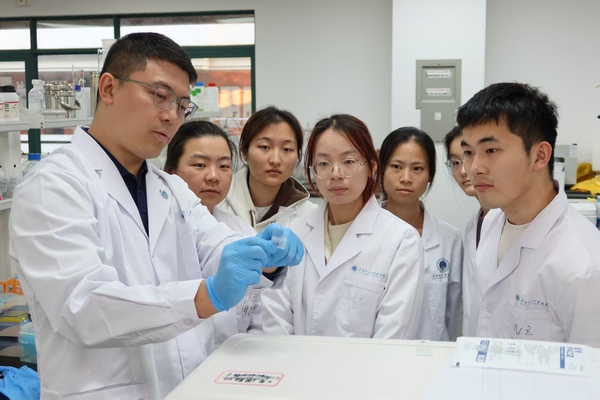
Recently, a research team from the School of Medicine at SCUT conducted a systematic investigation into the link between brain iron metabolism and psychiatric disorders. Their findings were published in Molecular Psychiatry, a leading international journal in neuroscience, under the title “Iron dyshomeostasis and its neurobiological mechanisms in psychiatric disorders”. Focusing on psychiatric disorders such as anxiety, depression, and schizophrenia, the team reviewed the mechanisms through which brain iron dyshomeostasis contributes to disease onset and progression, providing a theoretical basis for further mechanistic exploration, diagnostic biomarker discovery, and the development of intervention strategies.
Iron plays diverse physiological roles in the human body, yet the mechanisms regulating brain iron metabolism are particularly complex, posing a major challenge for neuroscience research. The research team moved beyond a single-disorder, single-mechanism perspective by integrating multiple etiological factors, including genetic, environmental, and inflammatory factors, to construct a cross-disorder pathogenic framework for brain iron metabolism. Within this framework, they summarized multiple pathogenic pathways, including alterations in neural circuits, dysregulation of iron metabolism, ferroptosis, and axonal iron transport. The article also provides an in-depth analysis of practical challenges in the clinical translation of iron-targeted therapies-such as blood-brain barrier permeability and targeting specificity, and suggests further exploration into spatial monitoring, dynamic tracking, and the development of research tools.

381 Wushan Road, Tianhe District, Guangzhou, 510641

Guangzhou Higher Education Mega Centre, Panyu District, Guangzhou, 510006

777 Xingye Avenue East, Panyu District, Guangzhou, 511442

+86-20-81182580
sieinfo@scut.edu.cn
© 2025 South China University of Technology. All Rights Reserved. 粤ICP备05084312号